Deadwood Removal in Reno, NV
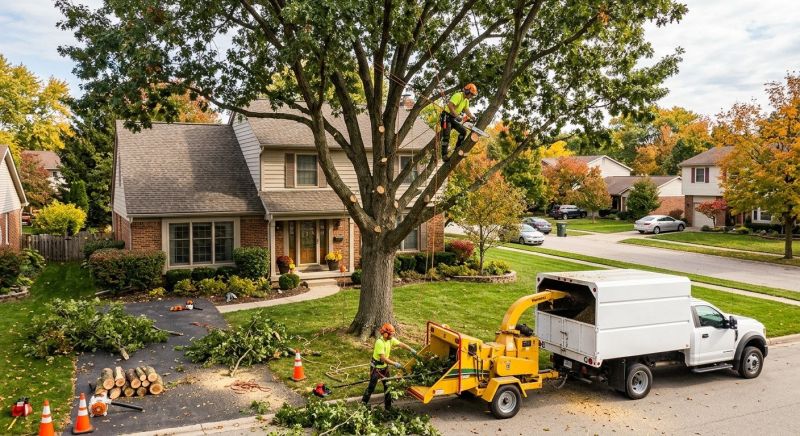
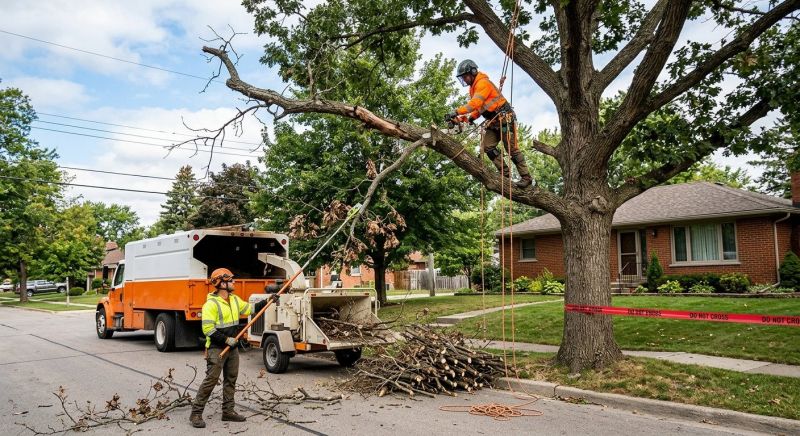
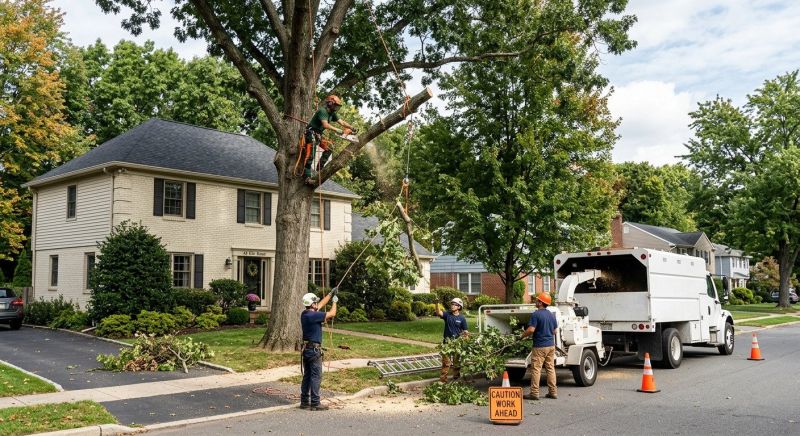
Deadwood removal services focus on safely and efficiently removing dead or hazardous trees, branches, and stumps from residential properties. This service is commonly requested for projects such as clearing fallen or diseased trees after storms, removing problematic branches that pose safety risks, or preparing a yard for new landscaping or construction. Property owners typically want to understand the scope of the work involved, including whether the removal will affect surrounding plants or structures, and if any permits or approvals are necessary before beginning the project.
Before requesting deadwood removal, homeowners should consider the size and location of the trees or branches to be removed, as well as any potential impact on the overall health of the landscape. It’s also helpful to understand the process involved, including how debris will be handled and disposed of after the work is completed. Clarifying these details can help ensure the project proceeds smoothly and aligns with property maintenance plans.
Many property owners in Reno, NV look into Deadwood Removal for repairs, replacements, upgrades, and appearance-related improvements.
Types Of Deadwood Removal
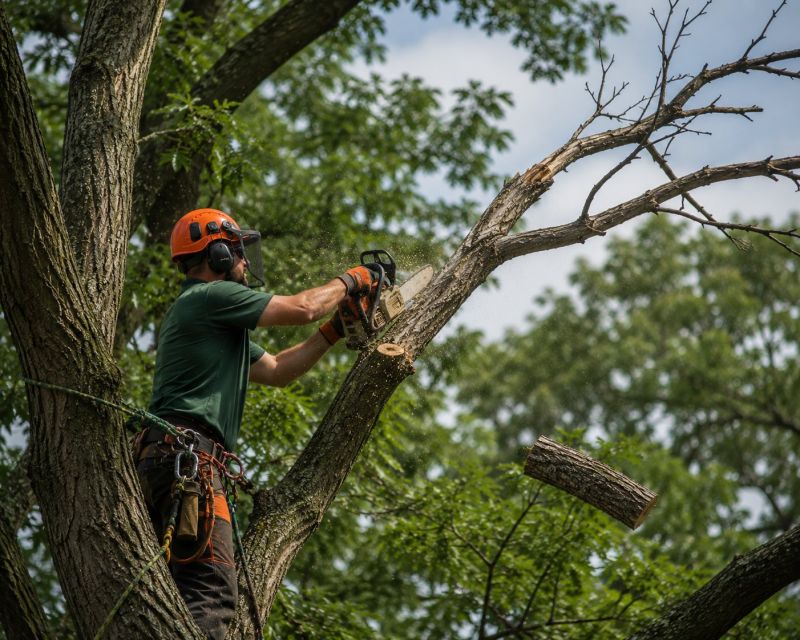
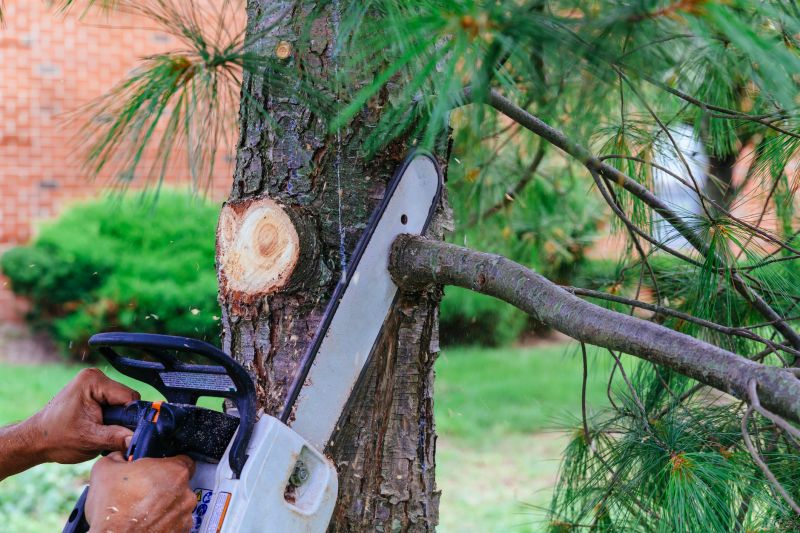
Services include dead branch trimming, hazard reduction, and complete tree cleanup.
Benefits Of Deadwood Removal
Removing deadwood enhances property safety and maintains landscape health.
Common Project Situations
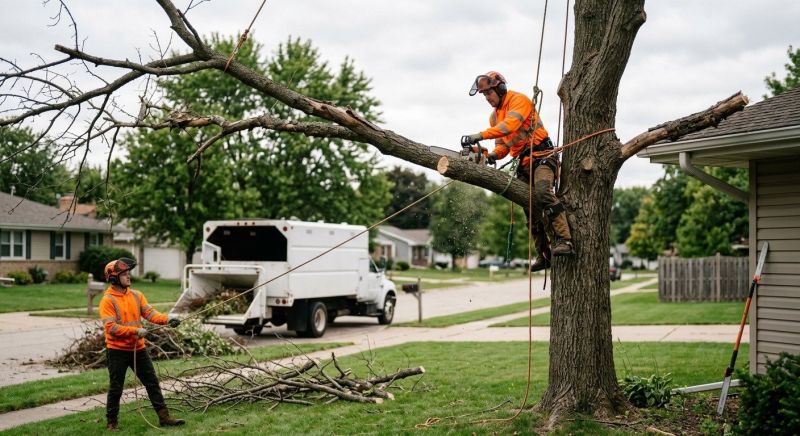
Deadwood removal is often requested after storm damage or for routine maintenance in reno neighborhoods.
Deadwood Removal in Reno, NV
Deadwood removal services focus on safely and efficiently removing dead or hazardous trees, branches, and stumps from residential properties. This service is commonly requested for projects such as clearing fallen or diseased trees after storms, removing problematic branches that pose safety risks, or preparing a yard for new landscaping or construction. Property owners typically want to understand the scope of the work involved, including whether the removal will affect surrounding plants or structures, and if any permits or approvals are necessary before beginning the project.
Before requesting deadwood removal, homeowners should consider the size and location of the trees or branches to be removed, as well as any potential impact on the overall health of the landscape. It’s also helpful to understand the process involved, including how debris will be handled and disposed of after the work is completed. Clarifying these details can help ensure the project proceeds smoothly and aligns with property maintenance plans.
Many property owners in Reno, NV look into Deadwood Removal for repairs, replacements, upgrades, and appearance-related improvements.
Common Deadwood Removal Jobs
Deadwood Removal - Clearing out dead or decayed trees to improve landscape health.
Tree Cleanup - Removing fallen branches and debris after storms or pruning.
Hazard Tree Removal - Safely removing trees that pose a risk to property or safety.
Storm Damage Cleanup - Clearing deadwood and debris caused by severe weather events.
Landscape Maintenance - Removing deadwood to promote new growth and maintain aesthetics.
Uprooting & Stump Removal - Eliminating dead or unwanted trees and their stumps.
Deadwood Removal Questions
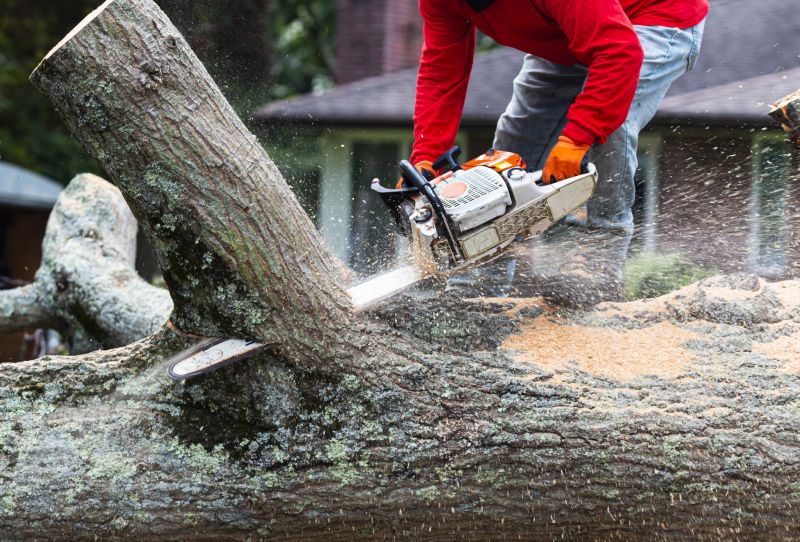
What types of deadwood removal services are available? Services typically include removing dead branches from trees, clearing deadwood from landscapes, and pruning to improve tree health and safety.
Why is deadwood removal important? Removing dead branches reduces the risk of falling debris, enhances property safety, and promotes healthy tree growth.
Are deadwood removal services suitable for all tree types? Yes, these services can be performed on most tree species to maintain safety and aesthetics.
What should property owners consider before scheduling deadwood removal? It’s important to assess the condition of trees and consult with professionals to determine necessary removal and maintenance needs.
Request Deadwood Removal in Reno, NV
Use the quote form on this page to share the basics of your project and request more information for the type of work you need.